

What constitutes a dental emergency
- Rob Davis
- Feb 12, 2025
- 4 min read

Dental emergencies always tend to pop up at the worst possible time, and these tooth problems can be a real nuisance when they occur after-hours while most dental offices have closed for the week at the end of the day on Thursday or Friday. The reality is that most dental offices simply are not set up to accommodate their patient’s dental emergencies when they occur after normal working hours. 30 years ago dentists would meet their patients in the middle of the night for a true emergency, but those days have come and gone and for a plethora of reasons it’s unlikely your dentist is going to see you for an emergency at their office over the weekend. Dentists are taught in dental school that, for liability reasons, it is a bad idea to meet a patient alone at the office after hours without other team members there. Asking a team-member (who works a 9-5 position) and the dentist to both interrupt their weekend and come to the office to see one patient just isn’t feasible, and it’s simply not going to happen with the majority of general dentist
Same-Day Appointments:
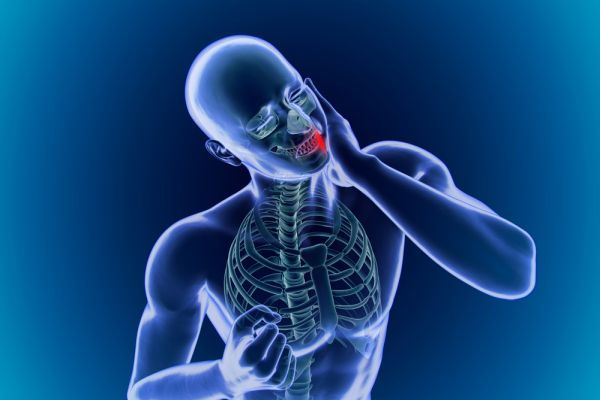
When it comes to dental emergencies, it’s important to have a dentist address the problem as quickly as possible. A tooth infection can quickly progress into a serious potentially life-threatening issue if it is not treated expeditiously; in rare occasions tooth infections can have deadly consequences especially if the infection spreads to vital areas, most importantly the brain. In fact, in rare instances a tooth infection can end up causing a fatal brain abscess. Similarly, if a permanent tooth has been knocked out but is not broken, time is of the essence to get to a qualified emergency dentist to have the tooth properly re-implanted and stabilized, if it is possible to save the tooth. And then of course same-day emergency dental treatment is vital because let’s face it, tooth pain hurts....it hurts bad! A painful tooth can seriously disrupt your life preventing you from working, sleeping, eating or generally participating in life to any meaningful extent. A painful tooth is considered a dental emergency.

So what conditions are true dental emergencies:
There is no exact definition of what constitutes a dental emergency. And sometimes it depends on the person, a serious dental emergency for one person may not be that big of a deal for others. You would be surprised at how many people walk around with rotten, decayed and broken teeth and it doesn’t bother them much at all. For others a lost filling or crown that has come loose is a big deal. A fractured or chipped front tooth which is easily visible may mean nothing to someone who doesn’t work with others, but for someone who works with the public, this same issue can be traumatizing.
The most medically urgent dental emergencies are associated with infections involving the head and neck area. Of paramount importance is preventing the spread of the infection to the brain by any means possible including early intervention with dental treatment and/or antibiotics. A brain abscess can occur when bacteria from an infected tooth travels through the blood stream or via the maxillary sinus to the brain. With treatment the survival rate of a brain abscess is 70%-90%, but without treatment the survival rate is essentially zero. Infections can also head other directions resulting in serious infections known as osteomyelitis or infection of the jaw-bone. Infections which progress to the neck area can also become serious when the inflammatory response threatens the viability of the airway. In other rare occasions an infection can progress to the heart via the bloodstream causing endocarditis, or result in sepsis, a very serious condition which is often fatal. Sepsis is a potentially life-threatening condition which occurs when the body’s own immune response to an infection overreacts leading to widespread inflammation and organ damage. Sepsis can lead to septic shock where a rapid drop in blood pressure leads to organ failure and death.
Some tooth issues may or may not constitute an emergency, depending on the patient and the circumstances. A lost filling or crown can probably wait through the weekend until it can be addressed during normal dental office hours. One caveat is that broken fillings or lost crowns are often just the symptom and there is an underlying problem with the tooth involving decay or fracture. Many fillings fall out because decay has reoccurred in the tooth structure surrounding the filing after there was leakage in between the tooth and filling. Most lost crowns can be recemented by a general dental office as long as there is no decay on the underlying tooth.
At South Kansas City Emergency Dental, our mission is to help those experiencing dental problems outside of normal dental office hours. We are open on Friday afternoons and by appointment every Saturday and Sunday (while most dentists are on the golf course) . Our treatment options include simple and surgical tooth extractions, root canals, fillings and most other aspects of general dentistry, other than routine dental checkups and cleanings. We are here when your dentist isn’t available, but we encourage our emergency patients to return to their home dentist for recurring dental treatment and care.
If you have a dental emergency in the Kansas City, Missouri metropolitan area (or the surrounding areas including Cass, Johnson and Bates County), call us at (816) 601-1817. We offer honest up-front and straight forward fee information so there is no confusion as to exactly what the treatment will cost you.


Comments